Classic Vanilla Custard Tart Recipe with Nutmeg and Shortcrust
An English custard tart looks like nothing much: a plain pastry case, a pale gold filling, a dusting of nutmeg. Eat one that has been made properly and it is hard to think of a better pudding. The pastry shatters under the fork, the custard is barely set — just firm enough to hold its shape — and the nutmeg cuts through the cream.
Only two things decide whether it works, and both come down to restraint. Keep the pastry cold. Keep the oven gentle. Rush either and you will end up with a soggy base or a curdled, weeping filling that separates into rubber and water.
What you are aiming for
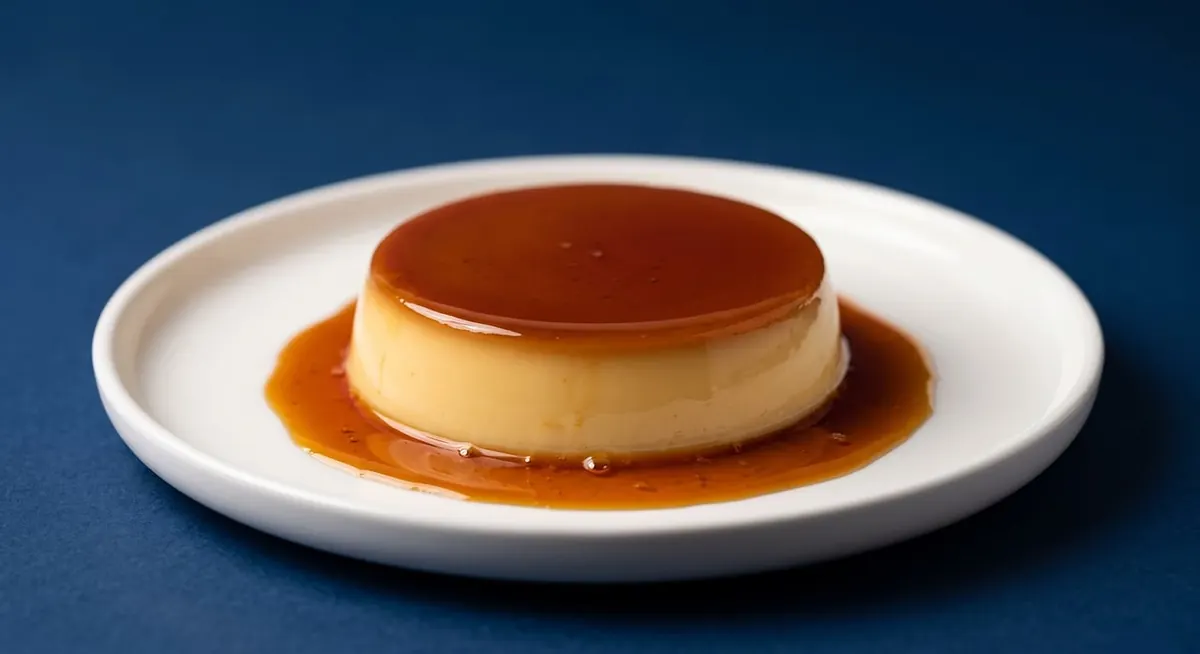
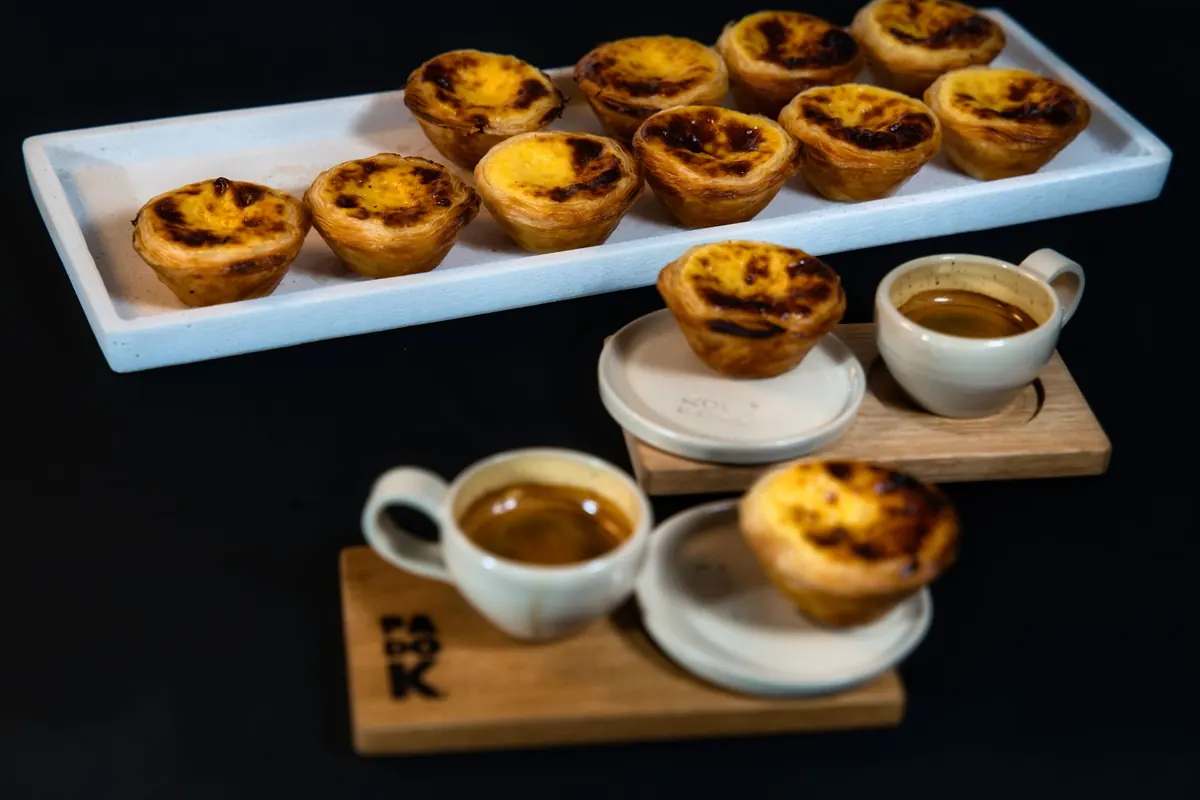
A classic English custard tart is a thin, crisp case under a shallow layer of set custard. Not the deep, wobbly flan you might get in a Spanish bakery, and not the blowtorched, cinnamon-dusted pastel de nata. The filling should be smooth, creamy and only just past liquid — if it slices cleanly and sits up without slumping, you have pushed it slightly too far.
The flavour is deliberately plain, which is why the details matter. Good cream, real vanilla, a little salt in the pastry and nutmeg grated to order. Anything less and there is nowhere to hide.
Ingredients
You need a 23cm loose-bottomed tart tin, ideally 2–3cm deep. Grease it lightly and put it in the fridge while you make the pastry.
For the shortcrust
- 250g plain flour
- 40g icing sugar
- ¼ tsp fine salt
- 150g cold unsalted butter, cut into cubes
- 1 large egg, beaten
- 1 tbsp ice-cold water, only if needed
For the custard
- 500ml double cream (or 350ml cream and 150ml whole milk for a lighter set)
- 4 large eggs
- 75g caster sugar
- 1 tsp vanilla bean paste, or the seeds of 1 pod
- A pinch of salt
- Whole nutmeg, for grating
That is a generous custard quantity for a 23cm tin. If your tin is shallow, make two-thirds of the filling rather than overfilling it — a custard that sits above the pastry rim will spill and bake unevenly.
Making and blind-baking the pastry
Rub the butter into the flour, icing sugar and salt until you have coarse crumbs with a few flat flakes of butter left in — those flakes are what make the pastry short and flaky rather than sandy. Add the beaten egg and bring it together with a knife, then finish with your fingertips. Add the cold water only if the dough refuses to come together.
Flatten into a disc, wrap it and chill for at least 30 minutes. Roll it out on a lightly floured surface to about 3mm thick, then line the tin, easing the pastry into the corners rather than stretching it. Leave a little overhang; pastry shrinks as it bakes. Prick the base lightly with a fork, then chill the lined case for 30 minutes.
Blind baking, step by step
- Heat the oven to 200°C conventional, 180°C fan.
- Line the chilled case with baking parchment and fill it right to the edges with ceramic beans, dried rice or lentils. Push them into the corners so the sides cannot slump.
- Bake for 20 minutes, then lift out the parchment and weights.
- Return to the oven for 8–12 minutes, until the base is dry and pale gold with no grey patches.
- Brush the inside with a little beaten egg and bake for 2–3 minutes more. This seals the pastry and stops the custard soaking in.
- Leave the case in the tin, trim the overhang with a sharp knife while it is still warm, and turn the oven down to 150°C conventional, 130°C fan.
Making the custard
Warm the cream, vanilla and salt in a saucepan over a low heat until it steams and small bubbles appear at the edge. Do not let it boil.
Meanwhile, whisk the eggs and sugar in a bowl — just until combined. Stop there. Beating air into the mixture gives you a foamy surface and a pitted custard. Pour the hot cream into the eggs in a slow, steady stream, whisking constantly, then strain the lot through a fine sieve into a jug. Skim off any foam with a spoon and let it stand for five minutes.
The strainer does more work than any other piece of equipment here. It catches stray bits of cooked egg and the chalazae, and it is the difference between a silky custard and one that is faintly lumpy.
Pour the custard into the warm pastry case, filling it as close to the rim as you dare. Work slowly and pour from low down to keep bubbles to a minimum.
Baking, setting and cooling
Set the tin on a baking sheet on the middle shelf. Bake for 35–45 minutes, turning the sheet halfway through if your oven has hot spots. Grate nutmeg over the surface after the first 15 minutes — a thin, even veil, no more, because too much turns bitter.
The tart is ready when the outer 5cm is set and the centre still has a soft, slow wobble when you nudge the tin. A digital thermometer pushed into the centre should read around 80–85°C. If it reads higher, take it out immediately.
Cool in the tin on a rack for an hour or two, then refrigerate for at least two hours before serving. The custard firms as it chills, and the flavour improves overnight — though the pastry is at its crispest on the first day.
When things go wrong
- Cracks and weeping: the oven was too hot or the tart baked too long. Next time drop the temperature by 10°C and pull it earlier. Cracks do not affect the eating, but the liquid that seeps out will soften the pastry.
- Still liquid in the middle: return it to a 140°C oven for 10 minutes and check again.
- Bubbles or a dimpled surface: over-whisked eggs, or the custard was poured from too high. Strain, rest and pour low.
- Soggy base: the blind bake was too brief, or the egg seal was skipped. A dry, fully baked case is the only protection you get.
- Shrunken sides: the pastry was stretched when lining, or not rested long enough before baking.
Serving and keeping
Serve it plain, at cool room temperature or lightly chilled, with nothing more than a little extra nutmeg grated over the top. It does not need cream — the filling is cream. A spoonful of stewed rhubarb, roasted apricots or sharp berries alongside is a welcome contrast, but the tart holds up on its own.
Keep it covered in the fridge and eat it within two days; the filling is only just set and should be treated like any fresh dairy dish. Freezing is not worth it — the custard turns grainy and the pastry goes limp on thawing.
One last thing: grate the nutmeg fresh, over the tart, at the moment you need it. Pre-ground nutmeg tastes like sawdust, and this is a recipe with too few ingredients to carry a weak one.
Photo: Travel with Lenses / Pexels