Seasonal Custard Pairings: Spring Berries, Summer Stone Fruit, Autumn Apples, Winter Citrus
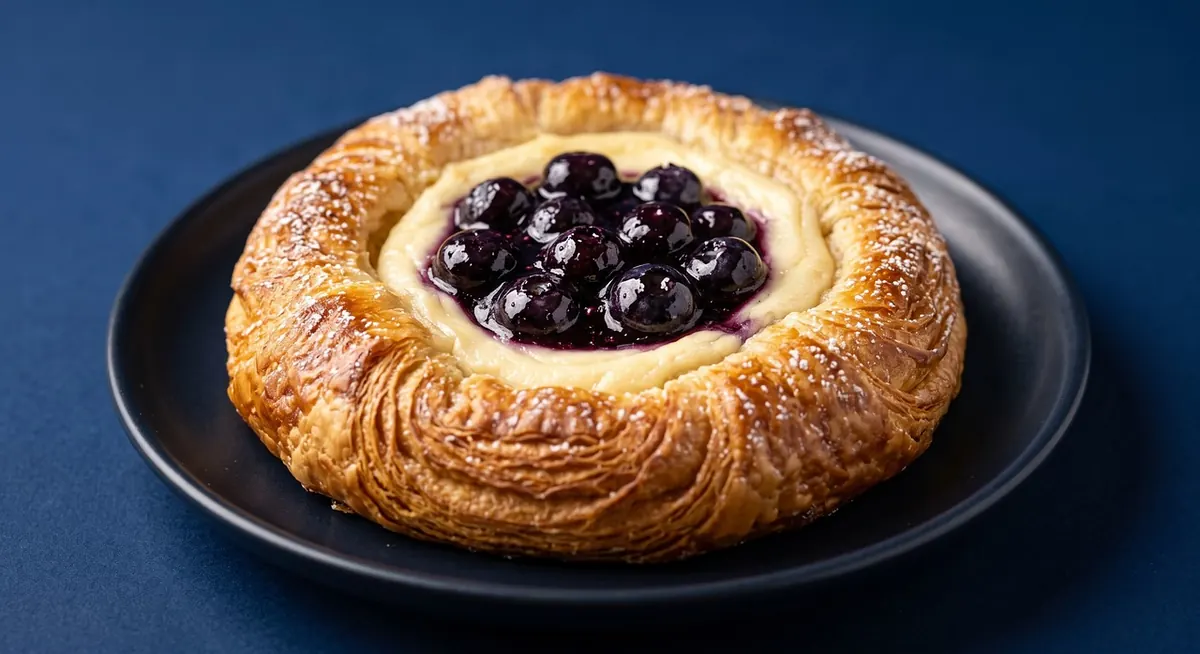
Custard is the most accommodating dessert in the kitchen, which is also why it goes wrong so often. A vanilla custard tart tastes complete beside a spoonful of roasted rhubarb in April. The same tart feels dull and heavy next to a supermarket strawberry that never got a pinch of sugar or a squeeze of lemon. Nothing changed in the custard. The fruit did.
Pairing custard with the seasons comes down to reading what the fruit is doing that week — how much acid it carries, how much water it will release, how sweet it really tastes. Here is how that plays out from spring through winter, with the techniques that make each combination work.
Four Things to Balance
Custard is rich, soft and sweet by nature. Whatever you put on top should answer at least one of those qualities rather than echoing them.
- Acidity. Custard needs a counterweight. Berries, rhubarb, citrus and tart apples do this job. Strawberries generally need help — a squeeze of lemon wakes them up.
- Water content. Juicy fruit bleeds into a set custard and turns pastry soggy. Macerate, drain, or roast fruit first, and keep the syrup for another purpose.
- Texture. Smooth custard wants something with bite: a crumble topping, candied peel, toasted nuts, a shard of caramel, a crisp biscuit alongside.
- Spice and aroma. Vanilla, cinnamon, cardamom, bay, star anise and citrus zest are all welcome, but they should support the fruit, not bury it.
Spring: Berries, Rhubarb and a Little Sourness
Spring fruit is high in acid and often inconsistent, which is exactly what a rich custard is looking for. Rhubarb is the easiest win: cut it into short lengths, toss with sugar and a strip of orange zest, roast at around 180°C until it slumps but still holds its shape, then cool it and spoon it over a baked vanilla custard. The sharpness cuts through the egg and cream like a knife.
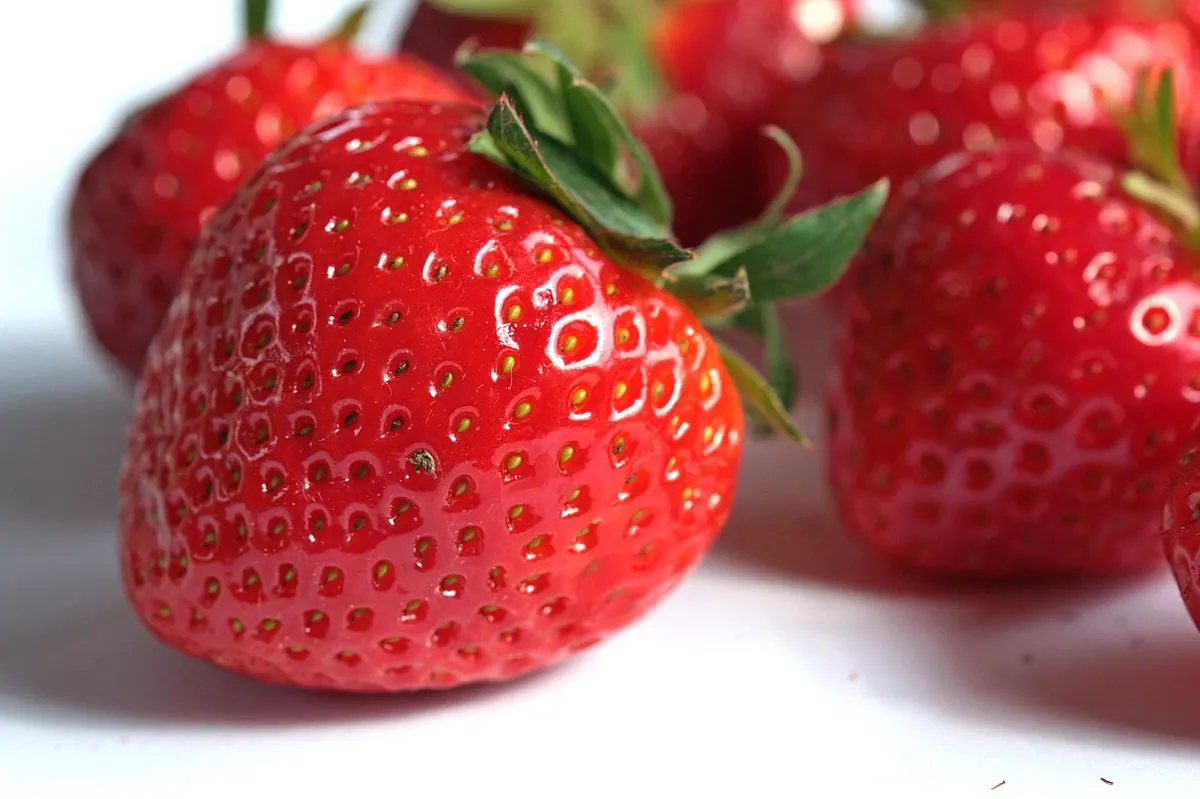
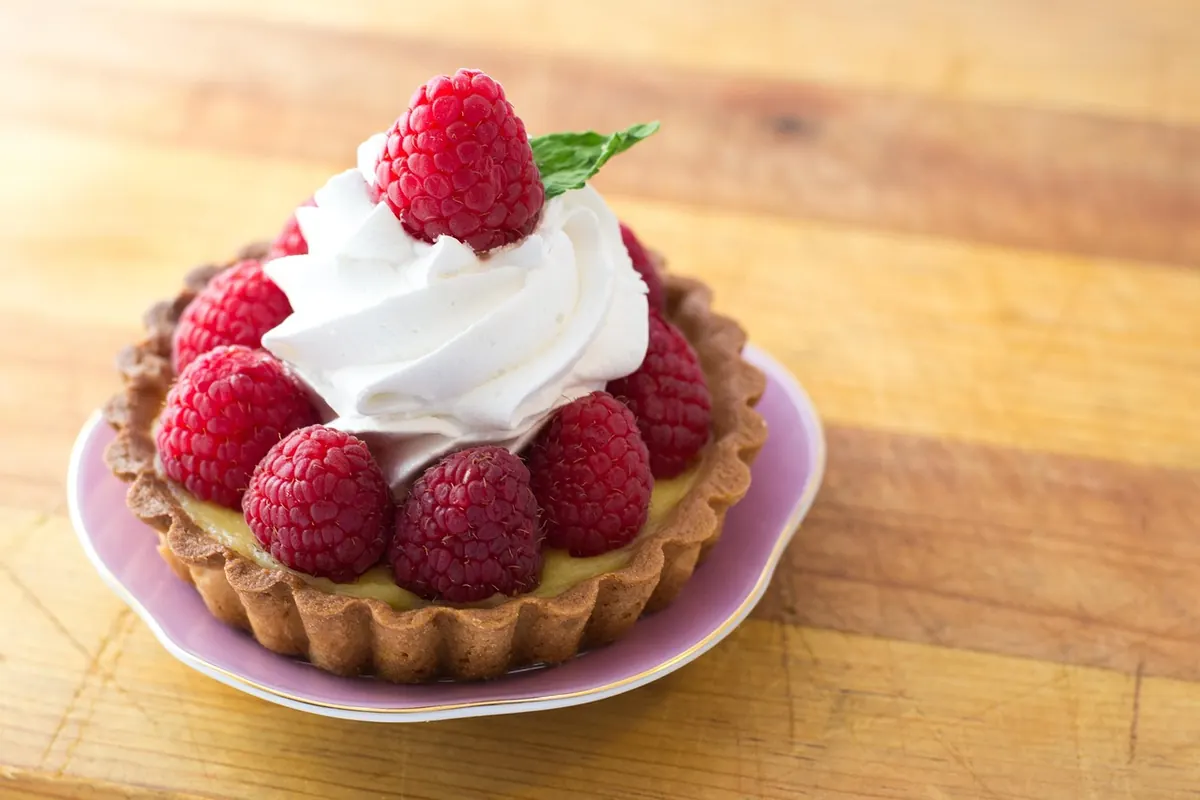
Strawberries need more persuasion than people expect. Hull and slice them, add a scant tablespoon of sugar and a squeeze of lemon per cup, and leave them at room temperature for twenty minutes. The juices that collect are the point — spoon fruit and syrup together. Blackcurrants and gooseberries, both aggressively tart, work beautifully against white chocolate custard or a plain crème anglaise. Raspberries are best barely handled; a few crushed into the base and the rest left whole gives you two textures without any cooking.
Keep spring custards simple: vanilla, almond, elderflower, buttermilk. Nothing heavy, nothing spiced. The fruit is supposed to be the loudest thing on the plate.
Summer: Stone Fruit at Its Peak
When the fruit is perfect, do less
A ripe peach at room temperature needs nothing but a cold custard and perhaps a little brown butter drizzled over. Warmth matters more than people realise — stone fruit straight from the fridge tastes like almost nothing. Pull it out an hour before serving. Apricots pair with almonds so naturally that a drop of almond extract in the custard is worth it. Plums lean toward cardamom or star anise. Cherries like kirsch, vanilla or dark chocolate.
When it isn't, cook it
Firm, underripe nectarines and peaches improve dramatically on a hot grill or in a pan. Halve and pit them, brush with a little honey or brown sugar, and cook cut-side down for three or four minutes until the edges caramelise. Serve them warm over a chilled custard tart and you get the hot-cold contrast that makes summer desserts memorable. Roasting works the same way with a splash of white wine and a sprig of thyme in the pan.
Autumn: Apples, Pears and Warm Spice
Autumn is when custard becomes a baking ingredient rather than just a sauce. Apples and custard baked together — in a tart, a clafoutis-style dish, or a deep dish pudding — are one of the best combinations in the repertoire, and the variety you choose matters. Bramleys collapse into a sharp, fluffy purée that's ideal for layering under custard. Cox, Honeycrisp or Golden Delicious hold their shape and give you something to bite into. For a tart, use both.
Spices should be toasted and infused rather than dumped in. Warm whole cinnamon, cardamom pods, cloves and a little black pepper in the cream, let it steep off the heat for twenty minutes, then strain before making the custard. Clove turns medicinal fast, so use one or two. Bay leaf with apple is subtle and worth trying once. Brown sugar, salted caramel and toasted oats all flatter apple custard; a spoonful of cider or Calvados in the fruit does a lot with very little.
Pears are gentler. Poach them in red wine, saffron or vanilla syrup, drain well, and serve with an almond custard. Quince, slow-roasted until it turns deep red, is the most underrated pairing of the season — a spoonful of membrillo next to a plain baked custard is enough.
Winter: Citrus, Bright and Bitter
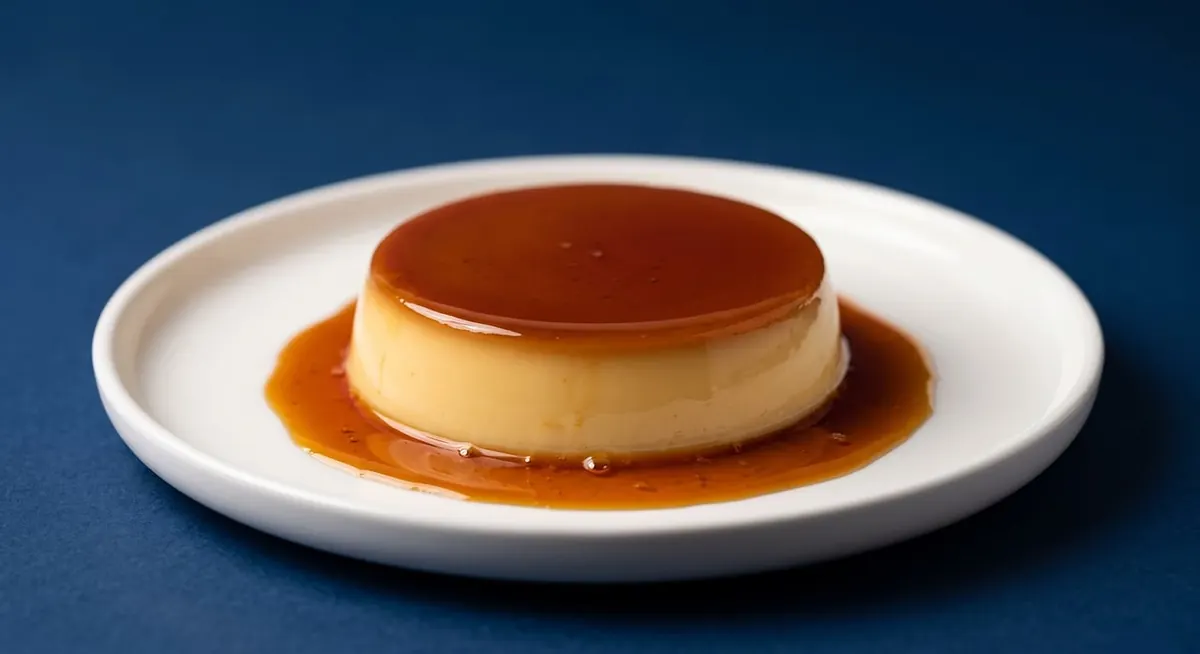
By January, custard needs contrast more than sweetness, and citrus delivers it. Rub zest into sugar with your fingertips before adding it to the base — the oils release far more readily that way — then infuse the cream gently and strain. Orange zest in a crème brûlée, lemon in a posset, mandarin in a baked custard: all simple, all effective.
Segments go on top, not inside. Blood orange and pink grapefruit look spectacular over a pale custard, and their bitterness keeps the whole thing from turning cloying. Kumquats sliced thin and candied, or a spoonful of marmalade swirled through the base just before baking, add a bitter edge that works surprisingly well. Pistachio, rosemary, honey and dark chocolate are good partners here; vanilla is fine but a little plain.
Techniques That Work All Year
Whichever season you're cooking in, three habits will improve the result.
- Macerate fruit before it meets the custard. Sugar, a squeeze of acid and a pinch of salt, fifteen to thirty minutes at room temperature, then drain the syrup and reduce it to a spoonable glaze.
- Roast or poach anything watery or underripe. Concentrating the flavour also stops the juices from wrecking your pastry or set custard.
- Season the fruit, not just the custard. A pinch of salt on sliced strawberries or a grind of black pepper on peaches changes how sweet everything tastes.
One practical note: if you're cooking for anyone pregnant, very young, older, or with a compromised immune system, stick to fully cooked custards and pasteurised eggs, and follow trusted food-safety guidance for your region.
A Simple Way to Decide
Before you commit to a pairing, ask three questions. How rich is the custard — a double-cream baked custard needs sharper fruit than a light posset? How sweet is the fruit right now — taste it, don't assume? And what's missing texturally — if the answer is "everything is soft", add toasted nuts, a biscuit, or candied peel.
Then keep a short list of what has worked: rhubarb and orange in spring, grilled peaches and brown butter in summer, Bramley and cardamom in autumn, blood orange and rosemary in winter. Repeat the ones you like, and adjust by a notch each time. That is how seasonal pairing actually gets learned — not from a chart, but from tasting your own fruit before you decide what to do with it.
Photo: tehzeebkazmii / Pixabay