Crème Anglaise vs. Pastry Cream: Key Differences and When to Use Each
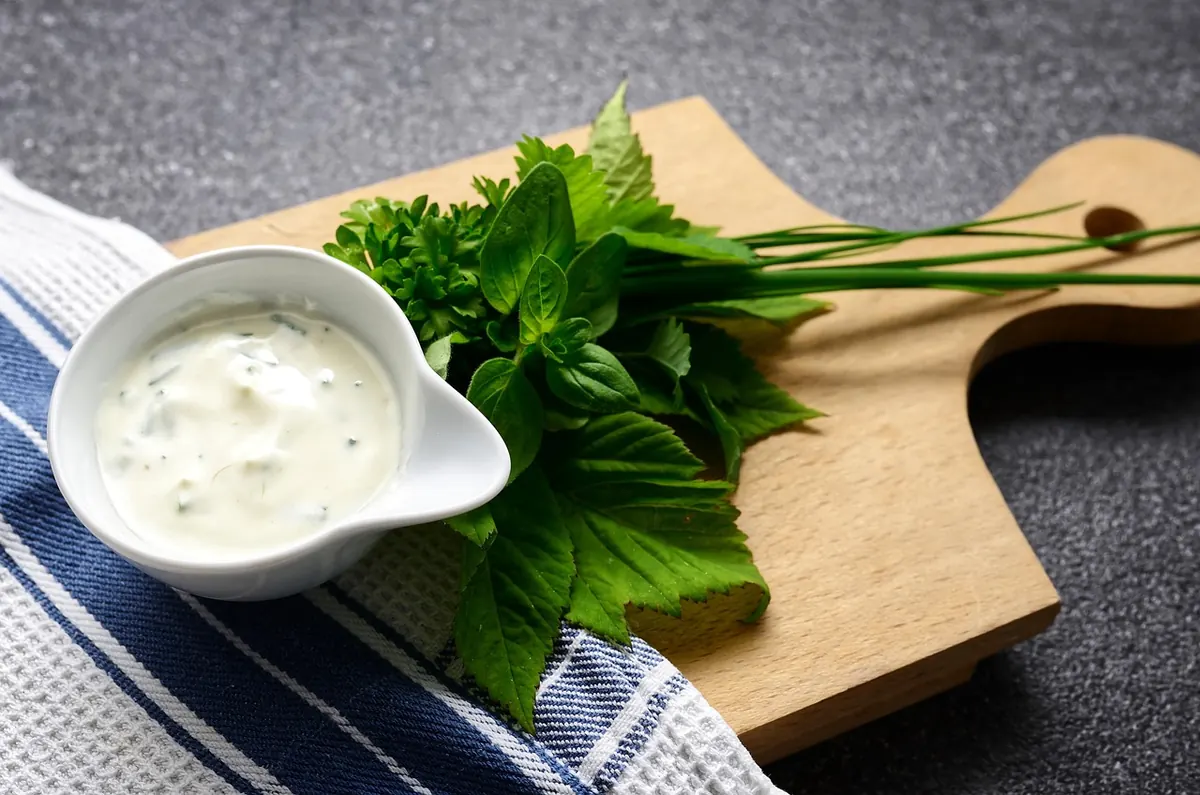
Two bowls sit side by side on the counter. Both are pale gold, both smell of vanilla, both came from eggs, milk, and sugar. Tip the first and it slides back into the bowl in a slow ribbon. Tip the second and it slumps into a soft mound that keeps its shape on the spoon. That single difference — pourable versus spoonable — tells you almost everything about crème anglaise and pastry cream. They are close cousins, made from the same short ingredient list, but one addition and one change in cooking temperature push them toward completely different jobs.
What Each Custard Actually Is
Crème anglaise is a stirred custard: egg yolks, sugar, milk or cream, and a flavoring, cooked gently until it thickens but never boils. French bakers describe the finished consistency as nappe — thick enough to coat the back of a spoon, so that a finger drawn through leaves a clean line. It is a sauce first and foremost, and also the starting point for ice cream bases, bavarois, and floating island.
Pastry cream, or crème pâtissière, begins the same way and then adds starch, usually cornstarch. That starch does two things: it thickens the custard into a firm, sliceable body, and it shields the egg yolks so the mixture can be brought to a full boil without scrambling. Boiling is not a shortcut here. It is the step that sets the starch and erases its raw, chalky taste.
Ingredients: One Addition Changes Everything
- Crème anglaise: egg yolks, sugar, milk and/or cream, vanilla, citrus zest, coffee, chocolate, or herbs. No starch at all. A common home ratio is 4 to 6 yolks per 2 cups of dairy, with sugar at roughly 1/4 cup.
- Pastry cream: egg yolks (sometimes whole eggs), sugar, milk, starch, and often a knob of butter whisked in at the end for shine. A typical batch uses 4 yolks and 1/4 cup cornstarch per 2 cups of milk.
Those proportions matter in opposite directions. Crème anglaise is mostly dairy and yolks, so its richness comes from fat and its thickening from gently coagulated protein. Pastry cream leans on starch for body, which means you can use less yolk and still get a filling sturdy enough to pipe.
Sugar plays a role beyond sweetness. In crème anglaise, it slows coagulation slightly, giving you a wider window before the yolks curdle. In pastry cream, sugar also competes with starch for water, so a very sugary batch can thicken a little more slowly than expected.
Cooking Method: Gentle Versus Boiled
Crème anglaise: temper, stir, stop
Whisk the yolks and sugar until pale, then temper by dribbling in the hot dairy while whisking constantly. Return everything to the pan and cook over medium-low heat, stirring with a spatula and scraping the corners, until the custard reaches about 170°F to 180°F (77°C to 82°C). It should thicken noticeably in five to eight minutes. The moment it coats the spatula, pull it off the heat and strain it into a bowl. Set that bowl over ice water and stir for a minute to stop the cooking. Egg yolks set around 180°F, which is why this custard lives just below a simmer for its whole life.
Pastry cream: temper, boil, chill
Whisk the yolks, sugar, and starch into a smooth paste first — this is the step that prevents lumps. Temper in the hot milk, return to the pan, and whisk over medium heat until the mixture bubbles. Let it boil for one to two minutes, whisking the whole time, then pour it into a shallow dish. Press plastic wrap directly onto the surface so no skin forms, and chill it thoroughly, at least two hours. Warm pastry cream is loose and gluey; cold pastry cream is glossy and sliceable.
Texture and Behavior in the Kitchen
Beyond thickness, the two custards act differently under stress. Crème anglaise is delicate. Overheat it and the proteins tighten into visible grains; leave it too cool and it stays thin. It never sets firm enough to slice, and it will not hold a pipe. Chilled, it thickens to a soft, spoonable sauce that relaxes again at room temperature.
Pastry cream is forgiving in some ways and stubborn in others. It can be boiled, reheated, and beaten smooth, which makes it reliable for structure. It also firms up dramatically when cold and can turn pasty if over-thickened. Both custards keep about three days in the refrigerator. Plain pastry cream does not freeze well — it weeps and turns grainy — while a crème anglaise base freezes beautifully once churned into ice cream.
When to Use Crème Anglaise
- Poured around a warm chocolate cake or bread pudding, where it melts into the crumb
- Spooned under poached pears, berries, or a fruit gratin
- As the base for ice cream, bavarois, and floating island
- As the sauce layer in a trifle or a charlotte
- When a tart needs a lighter finish than a thick pastry cream would give it
Flavor crème anglaise at the end, after it comes off the heat: vanilla bean steeped in the milk, citrus zest, espresso, or a spoonful of liqueur. It is best the day it is made, though it can be gently reheated over low heat or stirred into warm cream to loosen it.
When to Use Pastry Cream
- Filling éclairs, cream puffs, doughnuts, and cream horns
- Spreading in a fruit tart shell, then topping with glazed berries
- Layering in mille-feuille, Boston cream pie, and layered cakes
- As the base for crème légère (folded with whipped cream), mousseline (finished with butter), or chiboust (lightened with Italian meringue)
If you cook pastry cream a day ahead, you get a better filling: the starch fully hydrates and the flavor settles. Whisk it smooth before piping, and if it feels stiff, add a splash of milk or cream rather than more sugar.
Can You Swap One for the Other?
Mostly no, but there are workarounds. If you only have crème anglaise and need a tart filling, chill it in a prebaked shell for a softer, more delicate slice, and know it will not cut as cleanly. If you have pastry cream and want a sauce, whisk in milk or cream a spoonful at a time until it pours. That thinned pastry cream makes a passable shortcut sauce, though it tastes slightly starchier than a true anglaise.
Fixes for common problems: strain a curdled anglaise into a clean bowl and blend in a little cream to smooth it; strain lumpy pastry cream before chilling; and if pastry cream tastes floury, it did not boil long enough the first time — bring it back to a bubble for another minute.
The Short Version
Ask what the dessert needs to do. If it should pour, pool, or coat, make crème anglaise. If it should hold a shape, slice, or support fruit and pastry, make pastry cream. When you are making both for one dessert, start with the anglaise while your attention is fresh, then cook the pastry cream, which is hardier and can be chilled while you finish everything else. Two custards, nearly the same ingredients, and one very clear decision: sauce or filling.
Photo: congerdesign / Pixabay