Stirred vs. Baked Custard: A Complete Comparison for Home Cooks
Two custards sit behind some of the best desserts in the repertoire. One is made in a saucepan with a whisk in your hand; the other goes into a low oven in small dishes surrounded by hot water. The ingredient list is nearly identical — eggs, milk or cream, sugar, maybe a pinch of salt or half a vanilla bean — but the results behave nothing alike.
Knowing which one you're making, and why, saves a lot of frustration. Here is the full comparison.
Two Custards, One Chemistry
Both custards set because egg proteins unwind and link up as they heat. That linking is delicate, and it happens in a narrow window. Push past it and the proteins squeeze out water and tighten into something grainy. That single fact explains almost every custard problem you will ever have.
The difference is how you get there. In a stirred custard, you control the heat directly and never stop moving the mixture, so nothing overheats in one spot. In a baked custard, you hand control to the oven and rely on a water bath to keep the temperature gentle and even. Stirred custard is a conversation. Baked custard is a slow, hands-off experiment.
Texture: Pourable vs. Sliceable
Stirred custard is silky and fluid. Warm, it coats the back of a spoon thickly enough that you can draw a clean line through it with your finger. Chilled, it firms to a soft pudding consistency but stays spoonable. It never sets into a solid, and it shouldn't.
Baked custard sets. The proteins link up through the whole dish and trap the liquid in a fine, trembling network. A good baked custard is just barely set — a gentle wobble in the middle when you pull it from the oven, firming further as it cools. It slices cleanly, holds a spoon's worth of shape, and melts on the tongue without any grain.
There's a third category worth naming: stirred custards thickened with starch. Pastry cream, made with cornstarch or flour, is a stirred custard that has been stabilized. The starch lets you boil it safely, which is why it can be piped into éclairs and spread into a fruit tart. Pure stirred custard gives you crème anglaise; the starchy version gives you structure.
Equipment and Effort
Neither setup is expensive, but they ask for different things.
- Stirred: a heavy-bottomed saucepan (stainless or enameled, not bare aluminum), a whisk, a heatproof bowl for tempering, a fine-mesh strainer, and ideally an instant-read thermometer.
- Baked: ramekins or a shallow baking dish, a roasting pan deep enough to hold water, a kettle or pitcher for the bath, foil, and the same thermometer.
- Time: stirred custards take 10 to 15 minutes of constant attention. Baked custards take 30 to 50 minutes but are mostly unattended.
- Forgiveness: a stirred custard can be strained and saved if a few specks form. A baked custard that curdles is finished.
The stove version feels busier. The oven version feels easier until it isn't.
How Each One Fails
Stirred custard fails fast and loudly. Too much heat, or a pause in stirring, and the eggs scramble against the bottom of the pan. The safeguard is tempering: whisk a little of the hot milk into the beaten eggs first, then return the whole thing to the pan. Keep the heat low, stir in a figure-eight that reaches the corners, and pull the pan off the burner the moment the custard thickens — carryover heat will finish the job. Strain it anyway. Always.
Baked custard fails slowly and quietly. The classic signs are a rubbery surface, liquid weeping around the edges, or a curdled, honeycombed interior from too much heat. Three habits prevent all of it: bake low, around 300°F to 325°F; use a water bath that reaches halfway up the sides of the dishes; and pull the custards while the centers still wobble. They will set as they cool. A sheet of foil over the top keeps a skin from forming, which matters for custard cups but not for crème brûlée — there you want a smooth, skin-free surface, so chill thoroughly and blot the top before torching.
One more variable: sugar. More sugar raises the temperature at which eggs set, which makes a custard more forgiving but also slower to firm. Acid does the opposite, nudging the mixture toward curdling, which is why citrus-heavy custards need a gentler hand. Salt and vanilla don't change the chemistry much, but they keep the flavor from tasting flat.
Which One for Which Dessert
Choose stirred for
- Crème anglaise poured over berries, poached fruit, or a slice of cake
- Pastry cream for éclairs, cream puffs, and fruit tarts
- The base of most ice cream and gelato, chilled overnight before churning
- Lemon curd, zabaglione, and sabayon — bright, wine- or citrus-forward custards
- Trifle and layered puddings, where a pourable custard soaks in rather than sits on top
Choose baked for
- Crème brûlée, where a still, set custard holds a torched sugar lid
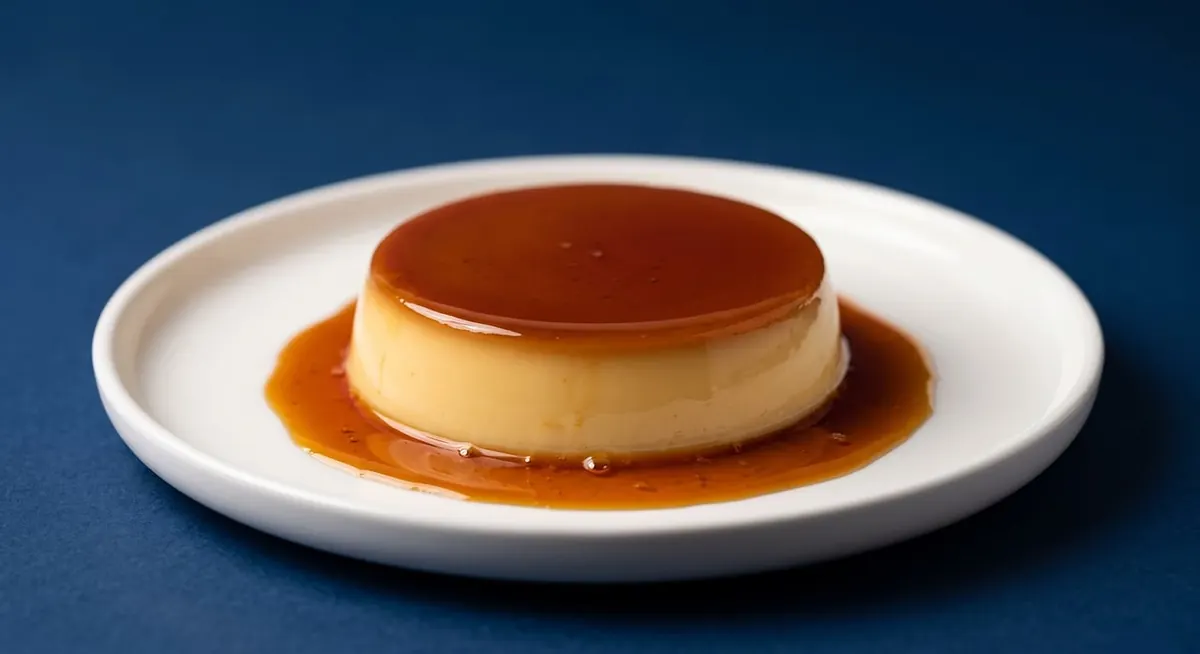
- Flan and crème caramel, baked with caramel in the bottom and inverted to serve
- Custard cups, pots de crème, and plain vanilla custard alongside fruit
- Pumpkin pie and other baked custard pies — set custard in a crust
- Bread pudding, which is a baked custard with bread built in
You cannot swap them. A crème anglaise recipe poured into ramekins will not set firmly enough to unmold, and a crème brûlée base cooked on the stove will thicken and scramble long before it reaches a sliceable texture. The technique is the recipe.
A Practical Starting Point
If you're new to custard, start stirred. Crème anglaise teaches you what "thick enough" feels like, and the feedback is immediate — you can see and feel the change happening in the pan. Once you trust that instinct, move to baked custard and let the water bath do the work, checking with a thermometer rather than guessing. Most custards are done somewhere between 170°F and 180°F. Keep that number in your head and both methods get a lot more predictable.
Either way: keep the heat low, keep the eggs either moving or gently surrounded by water, and take the pan out earlier than feels right. Custard rewards restraint more than almost any other dessert.
Photo: Eric Melo / Pexels